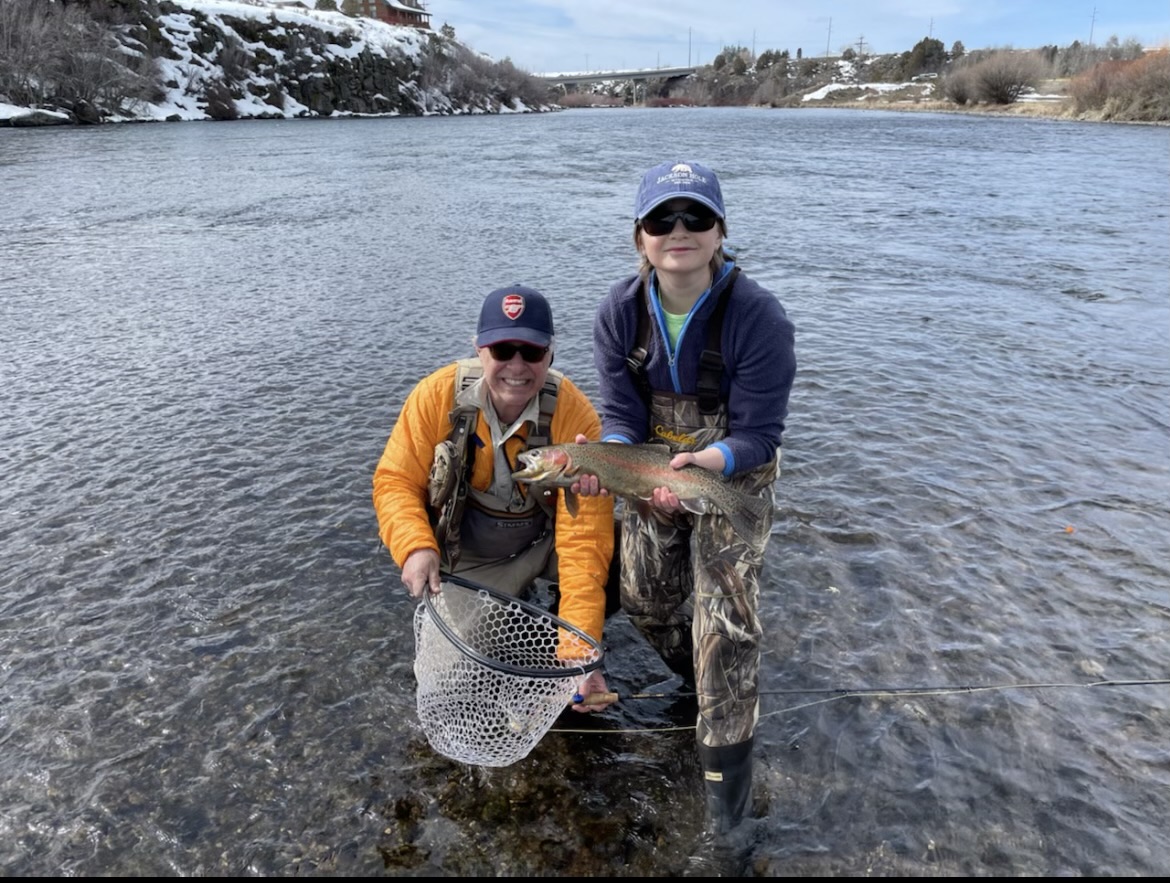
The Fish of a Lifetime
By: Andreas von Strasser
In my family’s farmhouse in Pennsylvania, a 12lb, 36in brown trout hangs on the wall. In my years of fishing for trout, I have never seen one that big. My dad proudly tells the story of how he caught it. He was on a fishing trip with my grandfather in Argentina. A few days into the trip, they were fishing a small creek out of a larger lake. Brown trout often live in lakes, but they move upriver to make their nests and spawn, and it was the spawning time of year. My grandfather–a less experienced fisherman–just wanted to catch any fish. My dad, on the other hand, having been fishing for over 20 years, was determined to seek out a spot where bigger fish would likely be found. He had been looking for about twenty minutes when he found the perfect spot. A nice deep pool, with a large rock that created a “seam.” A seam is a small section of slow-flowing water downstream of a large object, like a rock or log. Bugs and other small debris in the river tend to drift into seams, making them popular spots for trout to hunt. Larger trout tend to hang out in deeper pools for protection against birds and for the opportunities to steal food and territory from smaller trout. That’s what made the deep pool with a big rock the perfect spot for my dad.
My dad got his gear out and made a few casts. Within minutes he hooked onto a fish. At first the fish didn't move, stayed down deep, but then it took off. It started to go upstream at a rate my dad could barely keep up with, running along the bank. When my dad finally caught up, it went straight back downstream. The same back and forth happened once more until the fish finally gave up. My dad netted the fish, and it has since made its way onto the wall of our house in Pennsylvania.
My dad caught the trout that day because he understood the fish and the river. Any good fly fisherman needs to understand some principles of river ecology in order to be successful. Firstly, and perhaps most importantly, a fly fisherman must know about the different stages of a fly’s life and how they affect the feeding patterns of trout. A fly passes through three stages as it matures. The first stage is known as a nymph stage, which is a newborn fly that usually hides underneath a rock at the bottom of a river. Flies stay in the nymph stage for about two years. Nymphs look like small, rubbery, disgusting little insects, and nymph flies are tied to imitate that appearance. Nymphs are generally found in deep fast water, so that’s what fishermen have to look for when fishing with a nymph. This is particularly hard fishing for a number of reasons. If you don't get the right cast, the fish might spook or think it's fake because the nymph will look out of place. You're fishing in fast deep water as well. Instead of making long whip-like casts, you make roll casts, in which the bobber is dragging down river and you roll your wrist so that the bobber can go back upstream. It can also be hard, as the nymph can get stuck on the bottom of the river or the bobber can enter a patch of strong current. That can make it look like there’s a fish on the line when there isn’t. As a fisherman, this can be very annoying as you don't know if the fish ate the nymph or if the bobber is going under water for another reason.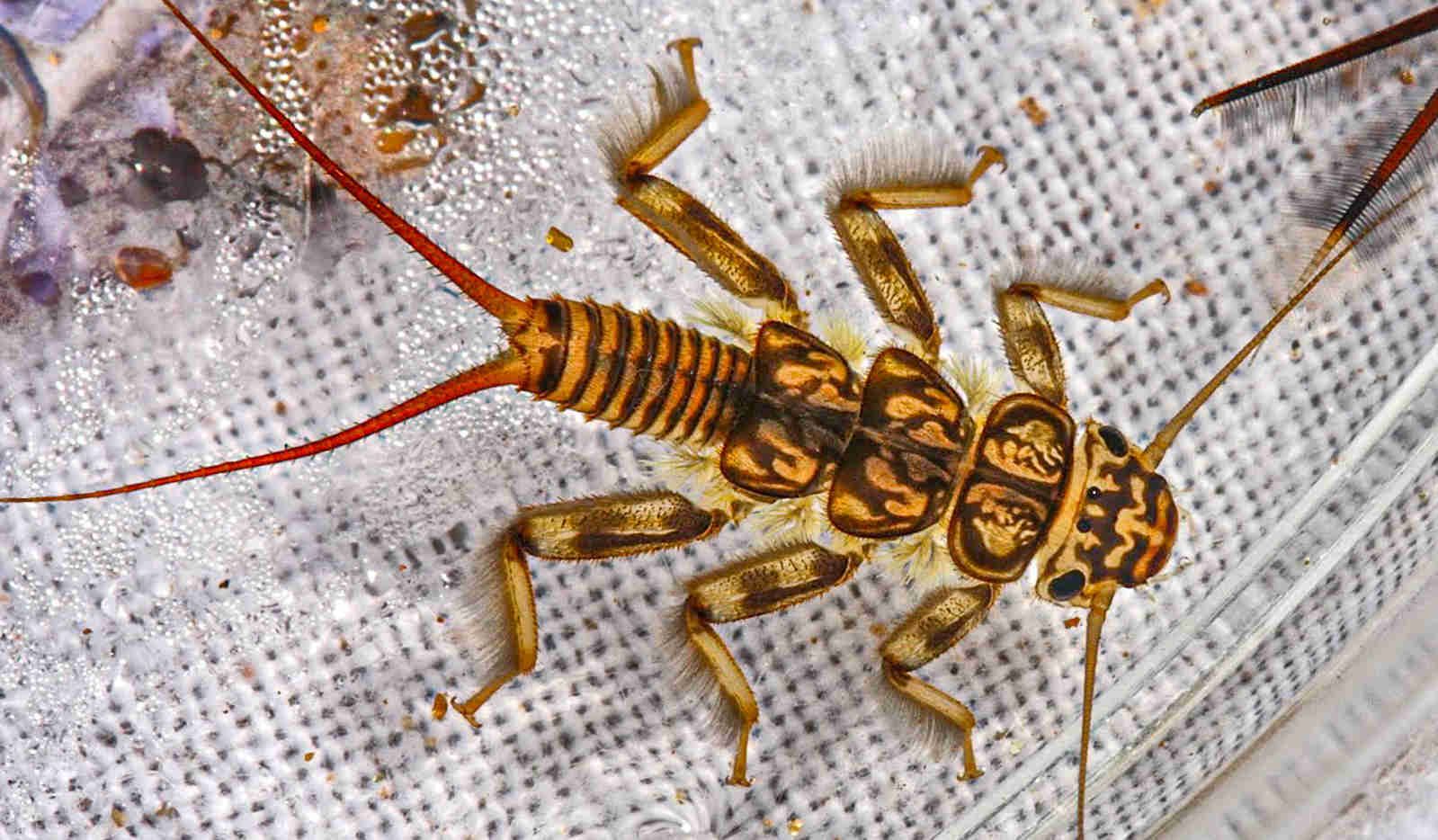 A fly in the nymph stage
The second stage of a fly’s life is known as the emerger. This stage is when the insects change from a larva to an adult and swim to the surface and get to use their wings for the first time. Well known flies, such as caddisflies and mayflies go through this stage. During the process of rising from the bottom of the river to the surface, some emergers get stuck due to surface tension.This is an excellent opportunity for a trout to eat them. Emergers are a large portion of a trout's diet. If trout are rising, but not jumping, out of the water, they are likely eating emergers. There are a few ways to fish an emerger. One way is using a soft hackle. A soft hackle is something at the end of the line that helps sink the fly right below the surface.This can be a deadly tactic if the fish is rising, but not taking the fly that you're casting above him. Another way is trying to mimic an emerger that got stuck swimming up to the surface by casting gently upstream of the trout on top of the surface and letting your fly float above its head.
The final stage of a fly is known as the dry stage. This is when the fly is fully out of the water and flying. When they first hatch, they only fly up a couple inches. Trout sees this as an opportunity for a Hollywood jump to eat the fly. Remember the only purpose mayflies have in their life is to find a mate and lay eggs. This usually happens within a few days. Once the fly finds its mate, they usually spend time with each other before the female flies down to the water to lay her eggs. When this happens, the female lands on the water for a couple of minutes. This is a perfect opportunity for a trout to eat. Dry fly fishing works best in slow flat areas of water; otherwise the trout won't see the fly. When fishing with a dry fly, you make gentle casts that help you be on target. It's very easy for a fish to spook in this situation.
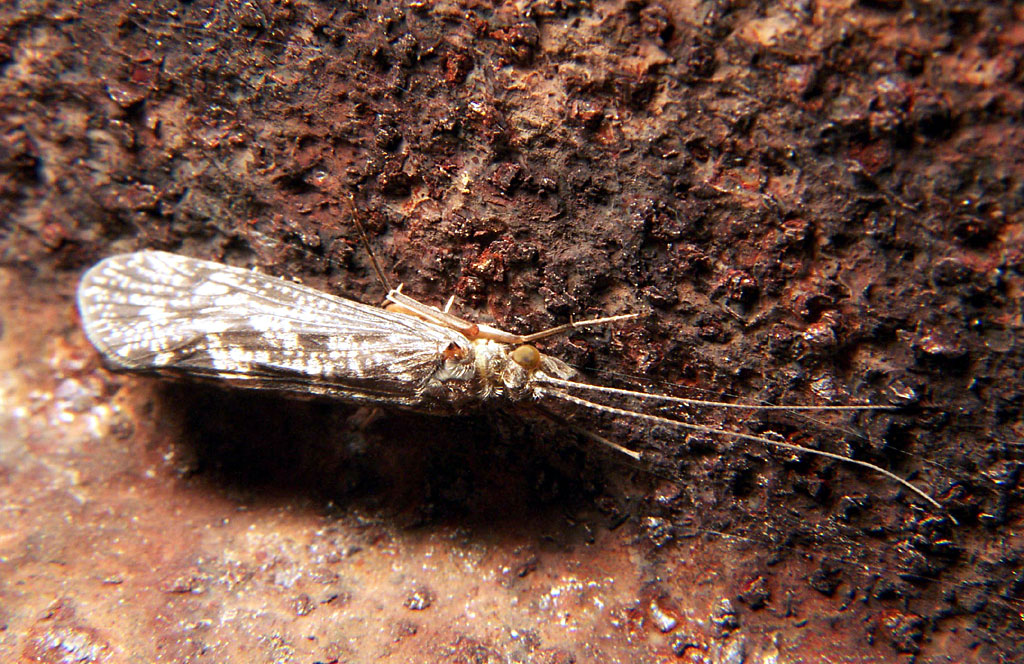 A Caddisfly in the dry stage
Recently, on a warm, fall afternoon, my brother, my dad, and I were fishing in one of our favorite spots, the Henrys Fork River In Idaho. We started fishing downstream of a large dam and nothing was biting, so we decided to move closer to the dam. When we reached our new spot, we stood for about five minutes, me watching for fish rising and my dad examining which types of flies the fish were eating. Suddenly, we both saw a huge trout jump out of the water and splash dramatically. It was a deep pool with slow moving water, perfect for dry fly fishing. My dad put on a caddisfly for me because he had seen caddisflies flying around. For several minutes, I cast over the trout’s head but got no motion out of the trout. I tried a mayfly for a while and eventually the trout nipped my fly…but refused it. My dad gave me his classic line, “It could've been the fish of a lifetime,” then he took over and started casting to where the trout had risen. He immediately hooked onto the fish, and this time there was no refusal. The fish darted downstream, then back upstream, then as it was turning back downstream, the line caught on a rock and snapped. My dad and I looked at each other and started laughing. That’s the reality of fly fishing: no matter how well you understand the river, there will always be ones that get away, and they could have been the fish of a lifetime.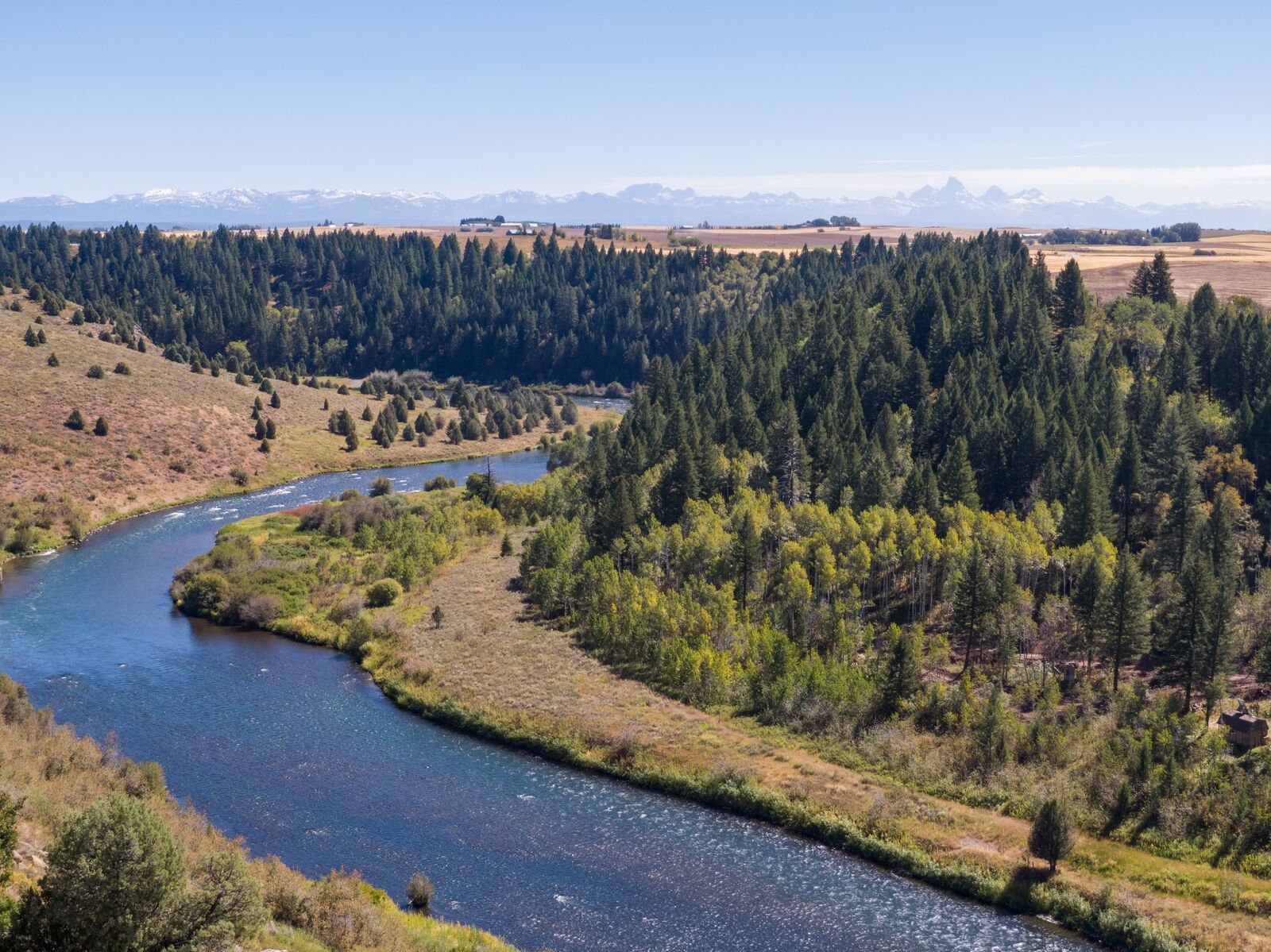 Henrys Fork River in Idaho
My dad got his gear out and made a few casts. Within minutes he hooked onto a fish. At first the fish didn't move, stayed down deep, but then it took off. It started to go upstream at a rate my dad could barely keep up with, running along the bank. When my dad finally caught up, it went straight back downstream. The same back and forth happened once more until the fish finally gave up. My dad netted the fish, and it has since made its way onto the wall of our house in Pennsylvania.
My dad caught the trout that day because he understood the fish and the river. Any good fly fisherman needs to understand some principles of river ecology in order to be successful. Firstly, and perhaps most importantly, a fly fisherman must know about the different stages of a fly’s life and how they affect the feeding patterns of trout. A fly passes through three stages as it matures. The first stage is known as a nymph stage, which is a newborn fly that usually hides underneath a rock at the bottom of a river. Flies stay in the nymph stage for about two years. Nymphs look like small, rubbery, disgusting little insects, and nymph flies are tied to imitate that appearance. Nymphs are generally found in deep fast water, so that’s what fishermen have to look for when fishing with a nymph. This is particularly hard fishing for a number of reasons. If you don't get the right cast, the fish might spook or think it's fake because the nymph will look out of place. You're fishing in fast deep water as well. Instead of making long whip-like casts, you make roll casts, in which the bobber is dragging down river and you roll your wrist so that the bobber can go back upstream. It can also be hard, as the nymph can get stuck on the bottom of the river or the bobber can enter a patch of strong current. That can make it look like there’s a fish on the line when there isn’t. As a fisherman, this can be very annoying as you don't know if the fish ate the nymph or if the bobber is going under water for another reason.
A fly in the nymph stage
The second stage of a fly’s life is known as the emerger. This stage is when the insects change from a larva to an adult and swim to the surface and get to use their wings for the first time. Well known flies, such as caddisflies and mayflies go through this stage. During the process of rising from the bottom of the river to the surface, some emergers get stuck due to surface tension.This is an excellent opportunity for a trout to eat them. Emergers are a large portion of a trout's diet. If trout are rising, but not jumping, out of the water, they are likely eating emergers. There are a few ways to fish an emerger. One way is using a soft hackle. A soft hackle is something at the end of the line that helps sink the fly right below the surface.This can be a deadly tactic if the fish is rising, but not taking the fly that you're casting above him. Another way is trying to mimic an emerger that got stuck swimming up to the surface by casting gently upstream of the trout on top of the surface and letting your fly float above its head.
The final stage of a fly is known as the dry stage. This is when the fly is fully out of the water and flying. When they first hatch, they only fly up a couple inches. Trout sees this as an opportunity for a Hollywood jump to eat the fly. Remember the only purpose mayflies have in their life is to find a mate and lay eggs. This usually happens within a few days. Once the fly finds its mate, they usually spend time with each other before the female flies down to the water to lay her eggs. When this happens, the female lands on the water for a couple of minutes. This is a perfect opportunity for a trout to eat. Dry fly fishing works best in slow flat areas of water; otherwise the trout won't see the fly. When fishing with a dry fly, you make gentle casts that help you be on target. It's very easy for a fish to spook in this situation.
A Caddisfly in the dry stageRecently, on a warm, fall afternoon, my brother, my dad, and I were fishing in one of our favorite spots, the Henrys Fork River In Idaho. We started fishing downstream of a large dam and nothing was biting, so we decided to move closer to the dam. When we reached our new spot, we stood for about five minutes, me watching for fish rising and my dad examining which types of flies the fish were eating. Suddenly, we both saw a huge trout jump out of the water and splash dramatically. It was a deep pool with slow moving water, perfect for dry fly fishing. My dad put on a caddisfly for me because he had seen caddisflies flying around. For several minutes, I cast over the trout’s head but got no motion out of the trout. I tried a mayfly for a while and eventually the trout nipped my fly…but refused it. My dad gave me his classic line, “It could've been the fish of a lifetime,” then he took over and started casting to where the trout had risen. He immediately hooked onto the fish, and this time there was no refusal. The fish darted downstream, then back upstream, then as it was turning back downstream, the line caught on a rock and snapped. My dad and I looked at each other and started laughing. That’s the reality of fly fishing: no matter how well you understand the river, there will always be ones that get away, and they could have been the fish of a lifetime.
Henrys Fork River in Idaho